What's Next for AI Language Translation: Emerging Trends and Innovations
As you explore the future of AI language translation, you'll observe significant trends influencing this field. Advanced algorithms, live tools, and context-sensitive technologies are redefining communication. You might be curious about how these innovations will impact multilingual support and cultural nuances in translations. With these advancements on the horizon, what might this mean for global interactions? The answers could reshape the way we connect across languages.
How Artificial Neural Networks Are Revolutionizing Translation
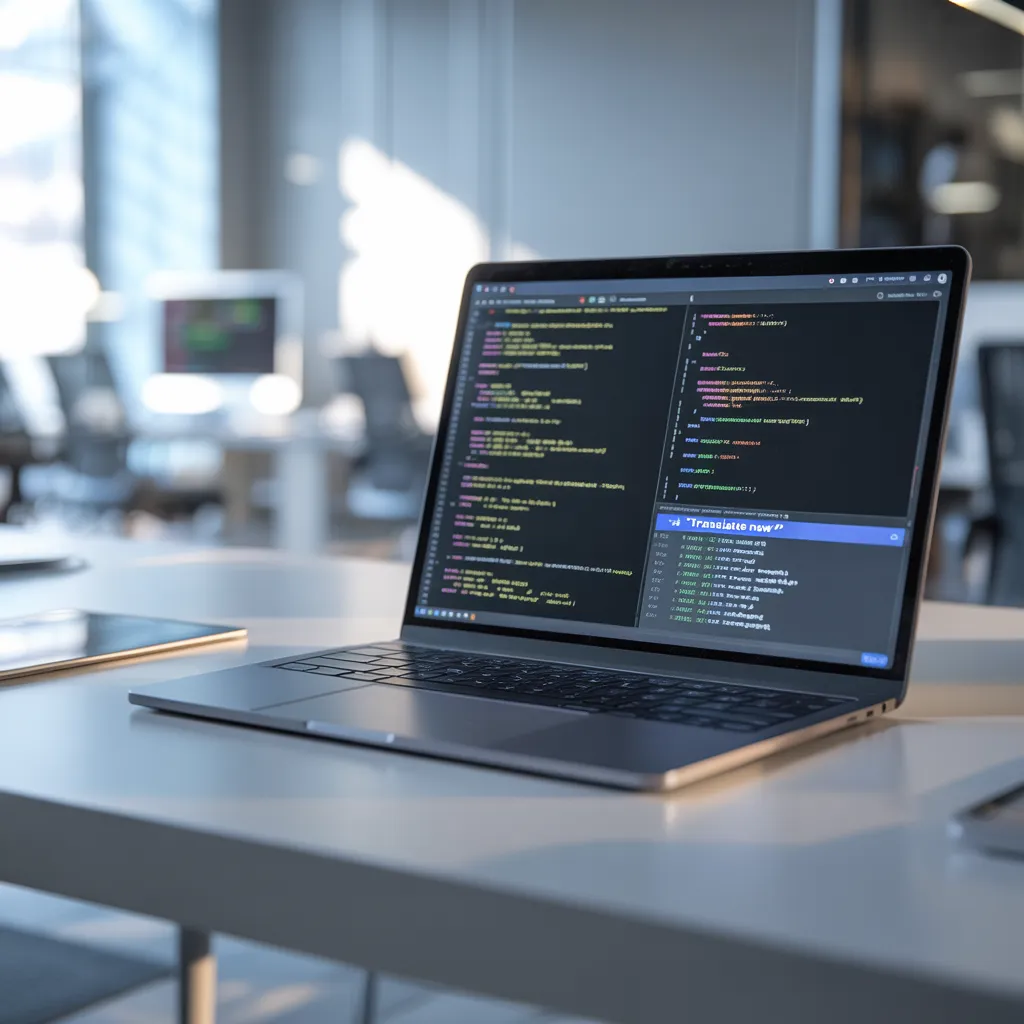
With technological advancement, neural networks are transforming the way we approach language translation. You could be impressed at how these intricate algorithms process vast amounts of data to grasp language patterns. In contrast to traditional methods, which often create unnatural or literal translations, neural networks comprehend context and nuances. This means you get translations that sound more natural and fluent. By leveraging deep learning techniques, these networks continually improve their accuracy, adjusting to new phrases and idioms over time. You'll see that the results are increasingly reliable, making communication across languages more seamless. As these systems evolve, you'll find yourself depending on them more for both personal and professional interactions, eliminating language barriers like never before.
Voice Recognition in AI Language Translation
Although voice recognition technology has made substantial strides in recent years, its integration into AI language translation is really transforming how we communicate. You can now speak normally in your language and have it translated in real time, breaking down barriers and fostering deeper connections. Imagine conversing with someone across the globe, where your copyright are instantly translated, maintaining the nuances of your conversation. This technology enhances accessibility, enabling individuals who may struggle with traditional text-based translation methods to engage effortlessly. With continuous advancements, AI systems are becoming more skilled at understanding accents, dialects, and even emotional tones. As you adopt these innovations, you'll find that communicating in multiple languages becomes more intuitive and enjoyable than ever before.
AI's Impact on Multilingual Translation Support
AI is transforming multilingual translation support by delivering tools that cater to diverse linguistic needs. You can now communicate seamlessly with people from various backgrounds, overcoming language barriers in real-time. With sophisticated algorithms, AI provides intuitive solutions that cater to different languages and dialects, maintaining accuracy and fluency. You're no longer limited to generic translations; AI personalizes content based on context and cultural nuances, making your conversations more valuable and more meaningful. Whether you're traveling, running business, or connecting with friends, AI's multilingual support elevates your experience. As these technologies continue to develop, expect even more sophisticated features that will increasingly improve your ability to engage with the world, establishing global connections like never before.
How Context-Aware Algorithms Enhance Translation Accuracy
Context-sensitive algorithms greatly increase translation accuracy by assessing the surrounding text and intended meaning. When you use these advanced algorithms, you'll notice they capture nuances that traditional methods often miss. By assessing the context of phrases or sentences, they verify that idioms, cultural references, and tone are preserved, making translations feel natural. For instance, the word "bank" can refer to a riverbank or a financial institution, but context-aware algorithms help clarify the intended meaning. This leads to translations that resonate more with the target audience. As a result, you get translations that not only communicate the message but also retain the original's flavor and explore this sentiment, enhancing overall communication effectiveness. Implementing these algorithms can considerably elevate your translation experience.
Translation Apps in Real-Time: Breaking Down Language Barriers
Real-time translation apps are revolutionizing the way we communicate across languages as technology progresses. You can now experience seamless conversations with people from all over the world, breaking down language barriers like never before. These apps utilize advanced AI algorithms to deliver instant translations, making it more convenient for you to connect with others during journeys, business meetings, or even casual chats. Imagine speaking in your native tongue while your copyright are instantly translated for someone who speaks another language. With speech recognition, text translation, and even augmented reality features, these apps provide a intuitive experience. As you navigate diverse cultures, real-time translation apps enable you to engage meaningfully, fostering mutual understanding and collaboration across linguistic divides.
Inclusive AI Language Translation: Accessibility for All Users
You may not understand how crucial accessibility is in AI language translation. By eliminating language barriers, it enhances your user experience and fosters cultural understanding. When every person can communicate effectively, we all enjoy a more diverse, more inclusive world.
Breaking Language Barriers
While technology advances steadily, breaking language barriers through AI language translation remains crucial for fostering global communication. You'll find that AI tools are becoming increasingly proficient at translating not just copyright, but cultural nuances, making conversations more fluid and more meaningful. By using advanced algorithms and machine learning, these tools can adapt to different dialects and slang, ensuring that you connect with others in a more personalized way. Accessibility is key; AI translation helps people from diverse backgrounds share their stories and ideas, enriching collective understanding. This technology empowers you to participate in international discussions and collaborations, ensuring no one feels isolated. Ultimately, breaking these barriers opens up a world of opportunities for everyone involved.
Elevating User Experience
To elevate user experience, AI language translation must focus on accessibility, guaranteeing that every person can take advantage of this transformative technology. You should be able to access translations without difficulty, regardless of your background or abilities. This means creating intuitive interfaces, supporting diverse languages and dialects, and incorporating features for those with disabilities. For instance, voice recognition and text-to-speech functionalities make it simpler for users with visual impairments or literacy challenges. Furthermore, real-time translation apps can help you communicate with others in real-time, fostering a sense of inclusion. By concentrating on accessibility, developers can ensure that AI language translation tools are not just advanced but also equitable, allowing you to engage with varied cultures and communities without barriers.
Promoting Cross-Cultural Understanding
As AI language translation grows more accessible, it plays an important role in advancing cultural understanding across diverse communities. You can interact with people from various backgrounds, eliminating language barriers that once restricted communication. This technology enables you to explore various cultures through their languages, cultivating empathy and appreciation for special traditions and perspectives. By using AI translation tools, you can engage in conversations that enrich your worldview and create meaningful relationships. These innovations ensure that everyone, irrespective of their language proficiency, can participate in global dialogue. Eventually, AI language translation allows you to embrace diversity, making the world a more inclusive and interconnected place where each individual's voice can be heard and valued.
The Future Landscape of Human-AI Partnership in Translation Services
As you examine the future of translation services, you'll see how human-AI collaboration can improve efficiency and accuracy. AI can help capture cultural nuances, guaranteeing your message resonates in different contexts. Plus, integrating real-time communication will change how you interact across language barriers.
Enhanced Accuracy By Collaboration
Although machine translation technology has advanced considerably, the true potential for enhanced accuracy lies in the collaboration between human translators and AI. You'll see that human intuition and contextual understanding can significantly enhance AI-generated translations. By working together, you can leverage AI's speed and efficiency while still incorporating the subtle insights that only a human translator can provide.
This alliance doesn't just enhance the final product but also facilitates ongoing learning. As you review and refine AI translations, the system gets more capable, adjusting to your individual approach. This synergy establishes an ecosystem where both human and machine offer their capabilities, generating translations that are highly exact and contextually relevant, addressing the changing needs of global communication.
Translation and Cultural Nuances
Grasping cultural nuances is crucial for effective translation, especially as AI becomes more embedded into the process. While AI can swiftly translate copyright, it often misses the subtleties that give language its depth. You'll want to ensure that your translations resonate with the target audience, capturing idiomatic expressions, humor, and regional dialects. This is where human expertise comes in. By collaborating with AI, you can provide context and insight that machines may overlook. Highlighting these cultural elements not only boosts accuracy but also fosters a deeper connection with the audience. As you embrace AI tools, remember to balance their efficiency with the meaningful, human touch that brings translations to life. Your goal should always be to create meaningful communication across cultures.